
When we talk about overall health, most people think about the heart, lungs, and diet. Few consider how the legs influence the body’s general health. However, leg health can reveal a great deal about circulation, heart function, and even chronic disease risk. From mild leg cramps to visible varicose veins, changes in your legs may be an early warning sign that something is wrong. This article explores the connection between leg health and overall health, warning signs to watch for, and steps to keep both your legs and body healthy.
Why Leg Health Matters
Your legs support body weight, allow movement, and help return blood to the heart. Problems in the legs may signal underlying conditions such as:
- Circulatory problems: Poor blood flow in the legs may indicate peripheral artery disease or venous insufficiency.
- Heart issues: Leg swelling and pain can suggest the heart is not pumping efficiently.
- Diabetes complications: Numbness and tingling may be signs of diabetic neuropathy.
Because these symptoms can lead to serious complications, they should never be ignored.
Common Leg Problems and What They Mean
Your legs often provide important clues about your overall health. Recognizing pain, swelling, or visible veins early can help prevent more serious issues.
1. Varicose Veins and Spider Veins
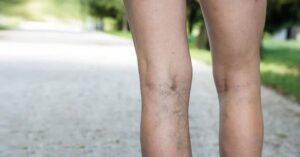
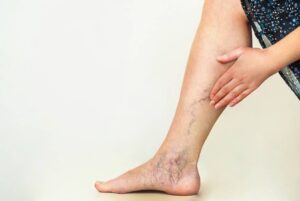
Varicose veins are swollen, twisted veins that bulge beneath the skin. Spider veins are smaller red or blue veins that resemble a web. Both may indicate chronic venous insufficiency, where veins struggle to return blood to the heart.
Symptoms to watch for: Swelling, heaviness, burning, or aching. Left untreated, varicose veins can lead to blood clots or ulcers.
2. Leg Swelling
Occasional swelling may result from long periods of sitting or standing. Persistent swelling, however, can signal:
- Heart disease
- Kidney disease
- Liver disease
- Vein disorders
Chronic swelling suggests fluid retention and should be evaluated early.
3. Leg Cramps and Muscle Pain
Nighttime leg cramps are often harmless but can sometimes reflect circulation problems or nerve issues. Recurrent cramps may be linked to:
- Dehydration
- Electrolyte imbalance
- Medication side effects

Persistent leg pain, especially with swelling or numbness, should be evaluated.
4. Numbness and Tingling
These sensations may indicate nerve damage caused by:
- Diabetes (neuropathy)
- Sciatica
- Peripheral artery disease
Ignoring these symptoms can lead to worsening nerve damage.
5. Restless Legs
Restless Legs Syndrome (RLS) causes an uncontrollable urge to move the legs and may disrupt sleep. It can sometimes be linked to iron deficiency, kidney disease, or peripheral neuropathy.

How Leg Health Reflects Overall Health
Your legs reflect the health of your circulatory system. Changes in your legs may signal early heart, vein, or nerve conditions.
- Circulation: Healthy veins move blood efficiently. Swelling or varicose veins suggest circulation problems.
- Heart function: Fluid buildup in the legs may indicate heart disease or high blood pressure.
- Metabolic health: Leg pain, numbness, or cramps can be early signs of diabetes or obesity.
- Mobility and strength: Weak leg muscles increase fall risk and reduce overall activity.
Early recognition makes treatment more effective and prevents long-term complications.
Tips to Maintain Healthy Legs
Lifestyle and preventive care play a key role in maintaining leg and overall health.
1. Exercise Regularly
Walking, swimming, and cycling improve circulation and strengthen leg muscles.
2. Maintain a Healthy Weight
Excess weight puts added pressure on veins and increases the risk of swelling and vein disease.
3. Avoid Prolonged Sitting or Standing
Take breaks to stretch and move throughout the day to promote healthy blood flow.
4. Wear Compression Garments
Compression stockings help improve circulation, reduce swelling, and relieve discomfort.
5. Eat a Balanced Diet
A diet rich in vitamins, antioxidants, and fiber supports vein and nerve health.
6. Stay Hydrated
Proper hydration helps prevent cramps and supports healthy circulation.
When to See a Vein Specialist
If you experience ongoing leg pain, swelling, visible varicose veins, spider veins, numbness, or tingling, it is important to seek medical evaluation. These symptoms may indicate an underlying circulatory issue that can worsen without treatment.
Dr. Aron Rovner and the team at Tri-State Vein Specialists provide comprehensive evaluations and advanced minimally invasive treatments to improve circulation, relieve discomfort, and support long-term leg health.
Why Choose Tri-State Vein Specialists?
- Comprehensive care: Treating both symptoms and root causes of venous disease.
- Advanced techniques: Minimally invasive treatments such as vein ablation, VenaSeal, phlebectomy, Varithena, and sclerotherapy.
- Clear communication: Transparent explanations of conditions and treatment options.
- Broad expertise: Care for varicose veins, restless legs, sciatica, diabetic leg pain, and more.
Early consultation helps prevent complications and supports overall health.
Advanced Treatments Offered
- Vein Ablation: Uses heat to close damaged veins and restore healthy blood flow.
- VenaSeal: Medical adhesive to seal affected veins with minimal downtime.
- Sclerotherapy: Injection treatment for spider veins.
- Phlebectomy: Minimally invasive removal of varicose veins.
- Varithena: Foam treatment for venous insufficiency.
- Compression Therapy: Customized garments to relieve swelling and pain.
- Blood Flow Mapping: Ultrasound evaluation of circulation.
These treatments address both visible symptoms and long-term circulation health.
Simple Steps to Monitor Your Legs at Home
- Check for new varicose or spider veins.
- Monitor swelling in ankles and calves.
- Note persistent pain, cramping, or numbness.
- Look for changes in skin color.
- Pay attention to muscle strength and mobility.
Early detection leads to better outcomes.
Conclusion
Your legs are more than tools for movement — they are a mirror of your overall health. Symptoms such as varicose veins, swelling, numbness, and cramps may signal more serious underlying conditions. Paying attention to leg health and seeking professional care when needed can prevent complications and preserve mobility and quality of life. If you are experiencing leg problems, Tri-State Vein Specialists offer advanced, personalized care to help you restore healthy circulation and long-term wellness.